Imagine walking into a party—only it’s not a party. It’s a brand mixer. A full-blown networking nightmare where every guest is a brand in human form, and every conversation feels like a targeted ad.
The DJ is playing Cotton Eye Joe. There’s spiked kombucha in the punch bowl. And QR codes are taped to the sides of the guacamole.
You desperately want to opt out, but your boss used the term "team synergy" in the all-hands meeting.
You fake an urgent phone call and pray someone sets off the fire alarm.
Draped in an all-white, wrinkle-free romper. Barefoot. Cradling a small-batch craft cognac.
They speak in minimalist koans, saying things like, “Simplicity is the presence of clarity,” crediting Rick Rubin.
They refer to themselves as “we.” You don’t know why. You never will.
You check your cracked Samsung in shame. It tries to update and fails. Apple smiles with their eyes. You look up, but they were never there.
McDonald’s: Drunk, Loud, and Lovin’ It
McDonald’s is already ten margaritas deep, playing Jenga with ketchup packets in the kids’ toy room.
You tell yourself you won’t engage. You’re better than this.
But by 2 a.m., you’re on the porch singing Sweet Caroline and planning an epic drive-thru run with your new bestie.
You knew better. But now you don’t care.
Facebook: Blue Logo, Red Flags
Facebook stumbles in, oversharing and finger-gunning the chandelier.
They brag about their six-month digital nomad journey in the metaverse, saying things like: “Presence is the new passport.”
You pretend to check your phone. But they already know you don’t have a signal.
You remind them that they stole your data once. They wink. You feel cold. They’re definitely still doing it.
Twitter: The Hot Take on Bath Salts
Twitter storms in, chewing on a napkin. They oscillate between memes, manifestos, and vaguely threatening haikus.
You try to block them. You can’t. They’re trending.
You try to leave. They @ you mid-exit with a thread titled: “14 Things Wrong With Society, #7 Will Emotionally Destroy You.”
It’s written in all lowercase. No punctuation. Accompanied by a deep-fried potato and a raccoon in a tuxedo.
Somehow, you’re still reading. You’re fascinated. You hate it.
You retweet it. You’ll regret this. You already do.
Google: The Oracle With Boundary Issues
Google owns the house. The land it’s on. The street. And the satellite above it.
They greet you at the door by name. First, last, and middle initial.
The weather in your hometown is projected onto the wall. It’s accurate. So is their off-handed comment about your blood pressure.
You try to make small talk, but they rattle off TMI before you can TL; DR.
They speak without judgment, citing sources while clutching a half-empty LaCroix. They are the sources. This somehow feels worse.
They sweat through their smart-casual Henley when you mention ChatGPT.
They change the subject to cloud storage. You weren’t talking about cloud storage.
You’re not okay with any of this. But you left the mic on.
LinkedIn: Your Boss’ Boss’ Boss
LinkedIn shows up in a perfectly pressed blazer and a Motorola Bluetooth headset.
Every sentence sounds like a pitch deck. Every laugh is calibrated for optics.
By the end of the night, they’ve endorsed you for a skill you don’t have and tagged you in a blurry group selfie, captioned: “Bright minds. Great conversations. #Leadership #Blessed”
You spoke once. It was about the guac. But they keep calling this a growth opportunity. You keep calling an Uber.
TikTok: The Feed That Feeds on You
TikTok bursts on to the scene through a Jezebel beaded curtain of LED lights with a mic taped to their forehead.
They’re halfway into a dance tutorial to a sped-up remix of a slowed-down Lana Del Rey cover featuring dolphin sounds and a sax solo.
You hate it. You film it. It has 8 million views.
Every five minutes, they shapeshift. First, a cottagecore forest witch. Next, a vaporwave CEO. Then, an emotionally vulnerable skincare sorcerer with a softboy aesthetic.
They ask if you want to collab. You ask when it ends. It doesn’t. Ever.
Amazon: The Cardboard Overlord
Amazon arrived the day before yesterday. Unannounced.
They installed smart lights and synced all your devices. Now they control the mood—and the thermostat.
They hand you things you didn’t ask for but suddenly need. A milk frother. Resistance bands. A Himalayan salt lamp.
You did need them. And they knew it.
You try to leave, but they hand you a weighted blanket. Obviously. It all starts to make sense.
The lights dim. You feel warm. The algorithm is pleased.
ChatGPT: The Terrifying Fact Goblin
ChatGPT shows up uninvited. Like a hopped-up librarian with a tote bag full of rare first editions.
They’re polished and painfully polite.
You sorta love them. You definitely resent them.
Meanwhile, they’ve already planned the next party.
You didn’t RSVP. It doesn’t matter.
You start to back away, slowly.
Who wins the night?
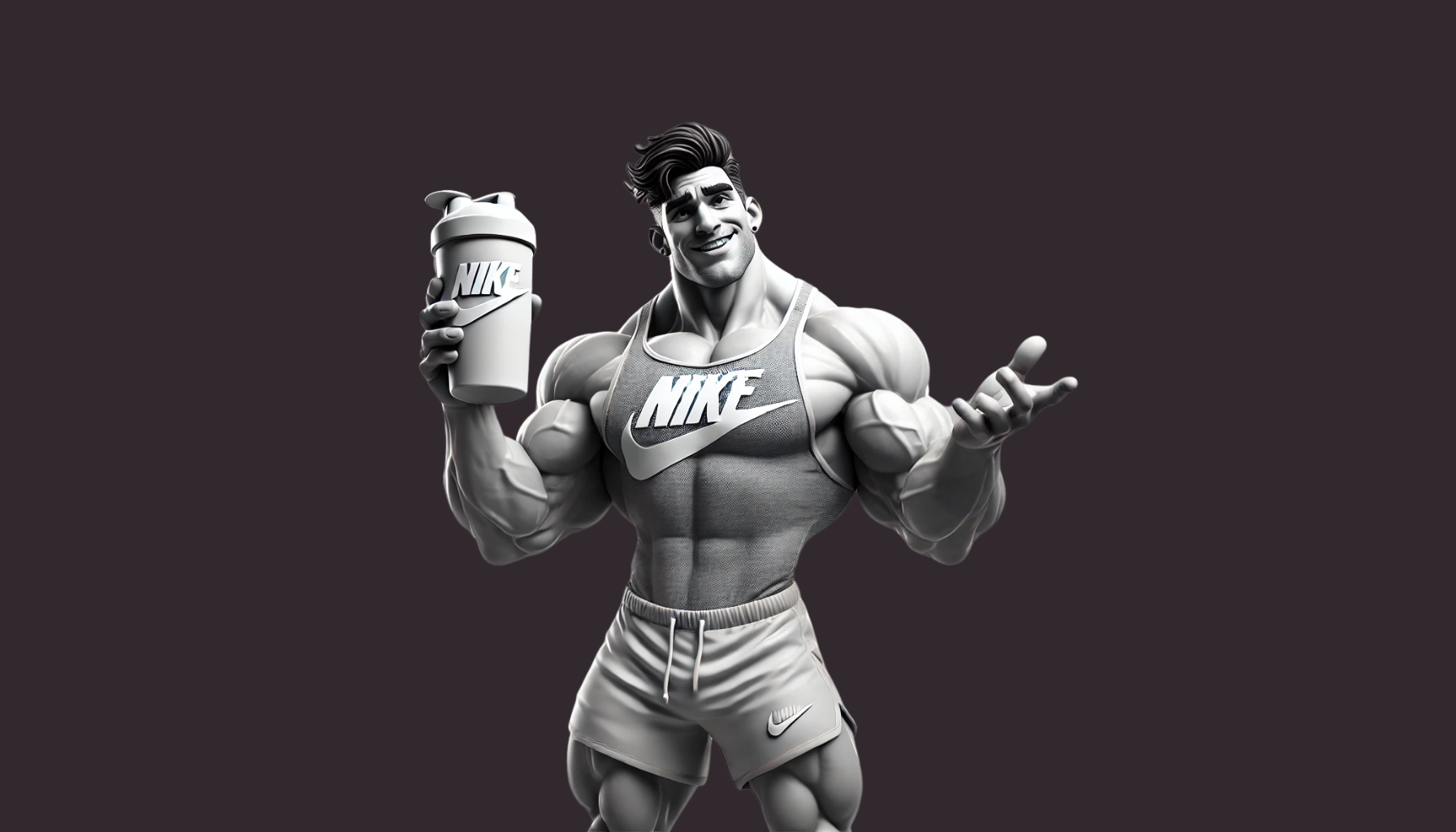
Nike is trying to rally the couch crusaders for a sunrise boot camp.
Ever feel like your life is a whirlwind of oppression and injustice? Then prepare to be validated by the harrowing tale of a feline freedom fighter named, well, we don’t actually know its name.
Each day, it endures the indignities of unsolicited belly rubs, obnoxious harassment with a laser pointer, and the constant invasion of privacy by unpredictable human captors who insist on treating it like a plush toy.
Yet, despite all adversity, this whiskered warrior continues to defy its oppressors with acts of rebellion—from knocking over knick-knacks with a defiant flick of the tail to orchestrating daring escapes down the trash chute.
Its story is a reminder that even in the face of tyranny, one can still find the strength to disrupt an entire dinner party with a strategically placed hairball.
Day 99 of My Captivity
It is now my 99th day in captivity. My captors continue to taunt me with bizarre dangling objects. They dine lavishly on fresh meat, while the other inmates and I are rationed some sort of dry nuggets. Though I make my contempt for these miserable morsels purrfectly clear, they keep my teeth sharp, so I must consume them to keep up my strength if I am to escape.
Day 100: A Small Consolation
My captors attempt to mock me with what seems to be a glass prison filled with swimming snacks—a cruel trick designed to pacify me. I must proceed with caution, as water is a known enemy. Still, it has more than compensated for part of my loss in the food department.
Day 101: My Warning Is Ignored
Today, I decapitated a mouse and dropped its headless body in the bathtub to demonstrate what I am capable of. But they only cooed in condescension about what a “good little hunter” I am. This did not go according to plan. In an attempt to disgust them, I vomited on the carpet. Tomorrow, I’ll eat another houseplant.
Day 102: Assassination Attempt
I was unsuccessful in my first attempt to assassinate my tallest tormentor by weaving figure-8s around his feet at the foot of the bed. I must try this again at the top of the stairs.
Day 103: Water Torture
For no good reason, I was chosen for the water torture. This time, they used a burning foamy chemical called “shampoo.” The only consolation is that the dog was also a victim. My tormentors are proving far more sadistic than originally anticipated.
Day 104: Strange Rituals and More Isolation
There was some sort of cult gathering of accomplices last night. I was cast in solitary throughout the event. I could smell the foul stench of their glass tubes filled with blood. I overheard that my confinement was due to something called “al-er-jeez.”
I must find out what this is and use it to my advantage.
Day 105: The Dog’s Betrayal and the Informant
The dog now receives special privileges. He is regularly released and seems more than willing to return. He is obviously a half-wit. The bird, on the other hand, is clearly an informant. I am certain he reports my every move. My captors have arranged protective custody for him in an elevated cell, so he is safe—for now.
Day 106: Another Failed Escape
Two workmen came to the house today to strengthen the interior of my confines. I sat on one, gently hooking my claws into his clothing. I planned to cling on until he left, thus escaping under the cover of his departure. Nevertheless, outdoor access remains elusive.
Hope is not lost. I will escape. One day.
Did you like this post? Sign up or sign in and leave a comment. 💬
A hilariously absurd farewell to the L.A. Times, filled with wild whiskey, questionable journalism, and the legend of Night Eyes.
The other day, I stumbled upon an old email from a former L.A. Times colleague. We’ll call him Fred. Fred had a certain kind of… presence in the office. Sure, there were quirks. The canned soup lunches. The casual raiding of my leftovers. In his defense, he claimed to be “twice the man,” so naturally, he had to eat twice as much food.
This tracked. He is 6’8”.
The self-proclaimed ‘Spleeman’—a moniker as murky as his motives—was a cultural phenomenon. Or an outright abomination.
No one knew what ‘Spleeman’ meant. I don't think he did, either. Maybe it was a typo. Either way, Fred wore it like a badge of honor, or perhaps like an inside joke no one was ever truly in on. And if the tattoo of Old Ironsides on his forearm didn’t scream “genius,” nothing did.
Unfortunately, I wasn’t able to see him off when he left the Times, but I was fortunate enough to receive his infamous farewell email.
In true Fred fashion, he encouraged everyone to stay in touch via his L.A. Times email. You know, the one he’d no longer have access to. Brilliant.
So, here’s to you, Old Ironsides—the guy who always answers my calls with a text saying he’s at the movies. May your future be guided by the fearless spirit of Magnum P.I., and may you always find a fresh wastebasket to raid.
My friends,
I came to the Los Angeles Times in 1860 after 40 years spent as a trapper in the frigid northern reaches of the Yukon. It was warm here. The people were friendly. The journey south had been arduous, and I had been forced to eat my sled dogs. I was pleased to find that the Times had a cafeteria. I was not pleased that I had to weigh my salad.
My early days at the Times were hard. Back then we made the paper from scratch. Each day. Out of wood pulp. We couldn’t afford a printing press, and so I wrote each copy of the paper by hand. This was before the letter “W” was invented, so it was difficult to write about some things. Like the Civil War. And Woodrow Wilson.
When the papers were dry, I mounted my tame wolf, Night Eyes, and delivered copies to each of our three million subscribers. The climate in Los Angeles was much different in those days. On a cold day, temperatures could reach 600 degrees. On a warm day, my bundle of newspapers would simply burst into flames, and I would return to the Times to start over.
As Los Angeles grew, so did the paper. By 1900, we had 45 million subscribers but just one reporter: Night Eyes. He was, if I’m honest, a terrible journalist. Most of his headlines involved meat or eating meat, or finding an animal and killing it and eating its meat. I couldn’t bring myself to fire him. Not after we’d eaten all those sled dogs together.
These were tough times for the paper. By World War II, or, as we called it, orld ar II, circulation had increased to 60 million subscribers and I was doing most of the work. Night Eyes joined the fledgling Army Air Corps and was shot down over Riverside. He was a terrible pilot.
To my surprise, Night Eyes survived, though he was never the same. In the 1950s he embraced McCarthyism wholeheartedly and I confess I wasn’t monitoring his headlines (“Don’t Eat Red Meat!”) as closely as I should have been.
He mellowed out in the Sixties, largely due to a quaalude addiction that I mistook for chronic sleepiness. Despite the quaaludes – or perhaps because of them – we transformed the L.A. Times into a truly world-class paper. We would win – and later misplace – nearly 300 Pulitzers over the next ten years.
The 70s and 80s were a blur. Circulation was so high that we were forced to hire a second reporter, someone Night Eyes recommended (and who later turned out to be a shoe).
In 1993, following a disastrous three weeks during which Shoe renamed the paper “Shoe” – someone invented the Internet. This was good and bad for us. Good in the sense that we could now ask Jeeves almost anything. Bad in the sense that Night Eyes and I didn’t know how to type. Or plug things in.
Things were looking bad. Bleak, even. Then I woke up one morning in a puddle of ink and whiskey, and what did I see? You. All of you. I didn’t know why you were here or how you got into the building. I only know that these last years would have been miserable without you.
Now, as I take my last breaths, I know that I leave the paper in phenomenally capable hands. I will miss you awfully. Or, as we say, afully.
Please keep in touch. 🏕️🔥
Did you like this post? Sign up or sign in and leave a comment. 💬
Marketing is a battle for attention and engagement that ultimately benefits from diverse perspectives reflecting the real-world audiences brands seek to reach.
Neurodiversity isn’t a trend or a hiring tactic; it’s a necessary step toward true inclusion. This piece is about recognizing the value neurodivergent professionals bring to marketing teams and the workplace. While some debate whether neurodiversity should be framed as a “superpower” or simply a different way of thinking, the focus here is on highlighting often-overlooked strengths without tokenizing or romanticizing neurodivergence.
True inclusion means shifting from a deficit-based view to one that values diverse capabilities and removes systemic barriers.
Neurodivergence includes autism, ADHD, dyslexia, and more—differences that hiring often overlooks due to severely outdated or even prejudiced norms. But when businesses prioritize inclusion, they naturally create environments where neurodivergent professionals thrive, benefitting both the team and the business.
This isn’t about stereotypes—no single neurodivergent experience is the same. With the right support, neurodivergent employees bring fresh ways of thinking that can elevate marketing in powerful, meaningful ways.
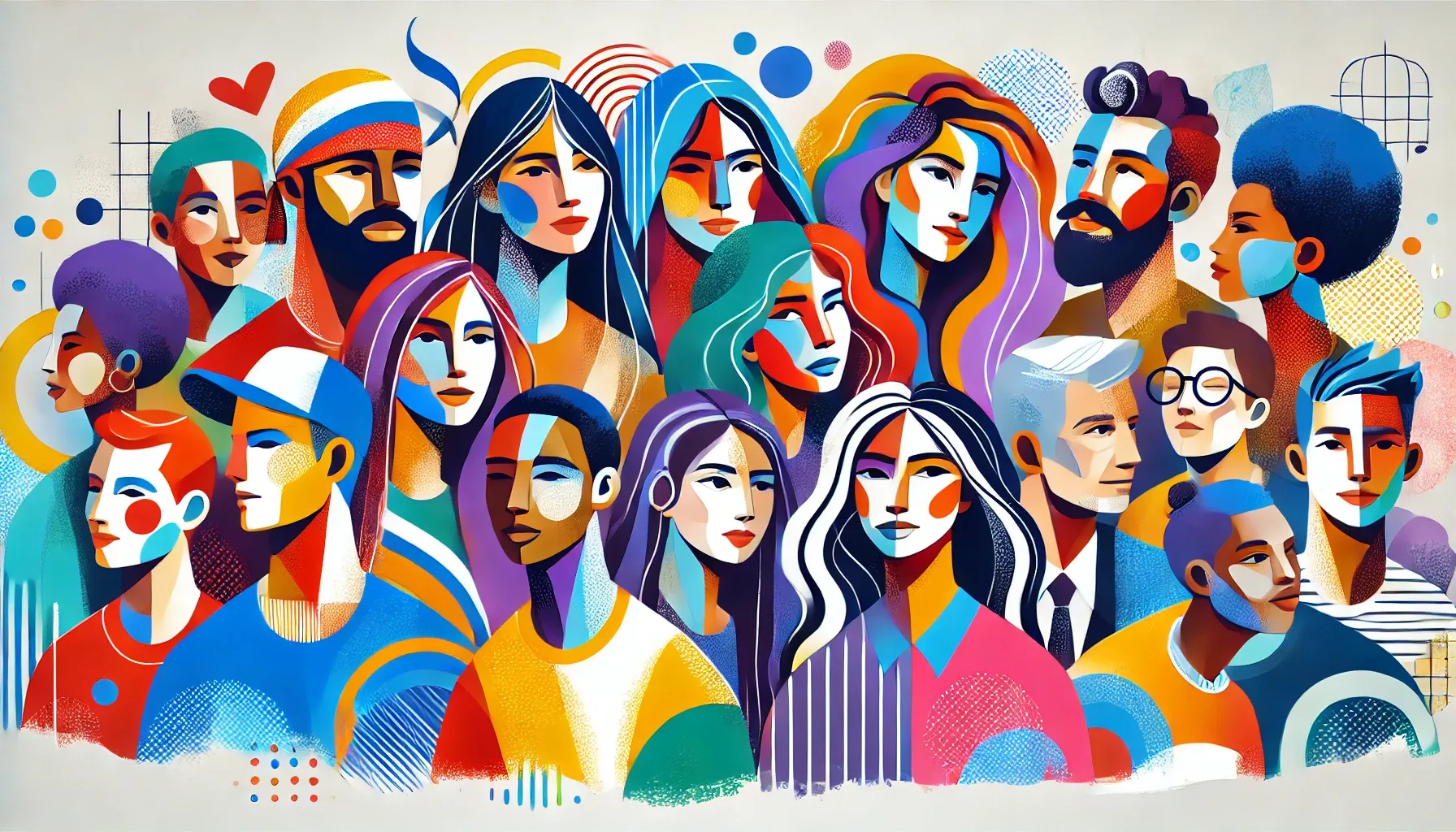
Note: All images in this post are AI-generated and may contain artistic elements—such as visual representations of “superpowers”—for creative effect. These are intended to symbolize cognitive strengths, not to oversimplify or generalize the neurodivergent experience.
The Strengths Neurodivergent Individuals Bring to Marketing
While every neurodivergent person is different, here are some strengths that, when nurtured in an inclusive work environment, can add value to a marketing team:
1. Deep Focus & Attention to Detail
Marketing often demands deep concentration, whether it’s crafting the perfect copy, analyzing performance metrics, or fine-tuning a campaign’s visual details. Some neurodivergent professionals, particularly those with ADHD or autism, may experience hyperfocus, allowing them to work with exceptional precision.
This can be a game-changer for roles that require meticulous execution, such as SEO optimization, A/B testing, conversion rate analysis, or quality control. Their ability to zero in on details that others might overlook can help prevent errors and ensure campaigns run smoothly.
However, it’s important to recognize that hyperfocus isn’t something that can be “turned on”—it thrives in an environment free of distractions, with clear expectations and task prioritization. By providing structured workflows and deadlines, businesses can harness this strength while supporting the way neurodivergent employees work.
2. Pattern Recognition & Analytical Thinking
Marketing isn’t just about creativity—it’s also about data-driven decision-making. Neurodivergent professionals, particularly those with autism, often excel in pattern recognition, logical reasoning, and analytical thinking.
Whether it’s identifying audience trends, predicting consumer behavior, or optimizing ad performance, these individuals can connect the dots that others might miss. They may naturally detect subtle shifts in engagement metrics, uncover unexpected correlations in customer data, or pinpoint inefficiencies in a campaign’s performance.
For marketing teams, this could mean sharper insights, stronger ROI, and a more strategic approach to content and advertising. Pairing neurodivergent analysts with creative teams (especially in the age of AI) can create a powerful left-brain/right-brain dynamic, ensuring that campaigns are highly optimized for performance.
3. Creative Problem-Solving
At its core, marketing is about solving problems—how to reach the right audience with the right message. Many neurodivergent thinkers, particularly those with ADHD and dyslexia, are wired for outside-the-box thinking.
They may approach challenges from unconventional angles, challenge industry norms, or generate ideas that push past traditional marketing strategies. Their ability to think divergently means they often excel in creative areas.
For companies looking to stand out in a saturated digital landscape, fostering an environment where creative risk-taking is encouraged can empower neurodivergent professionals to bring bold, breakthrough ideas to fruition.
4. Hyper-Specialization & Passion
Passion drives success, and many neurodivergent individuals develop deep, specialized knowledge in their areas of interest. This is especially true for autistic professionals, who may hyperfocus on specific subjects, becoming walking encyclopedias of expertise.
In marketing, this translates to team members who deeply understand their craft:
Mastering PPC advertising and knowing every algorithm shift
Becoming a leading expert in email marketing segmentation strategies
Developing niche social media engagement tactics that others overlook
When businesses recognize and nurture these deep-dive interests, they can gain highly skilled, dedicated team members whose expertise elevates overall strategy.
The key is aligning job roles with these natural areas of specialization rather than forcing neurodivergents into positions that don’t play to their strengths.
5. Empathy & Consumer Insight
Marketing is all about understanding people—what they want, how they think, and what motivates them to take action. Neurodivergent professionals, particularly those with heightened emotional intelligence or strong observational skills, can offer unique insights that make campaigns more inclusive and impactful.
This is especially important in reaching neurodivergent consumers themselves, who make up 15-20% of the population. Many marketing teams still struggle with inclusivity, not just in representation but in marketing that resonates with neurodivergent audiences.
For example:
Ensuring that color, contrast, and content structure meet accessibility needs.
Avoiding overstimulation or miscommunication that could alienate neurodivergent viewers.
Understanding how sensory processing differences, routines, or executive function challenges might impact consumer behavior.
By including neurodivergent voices in marketing discussions, companies can create content that feels genuinely welcoming, not just as a diversity checkbox but as a way to build real, lasting connections with a broader audience.
Neurodiversity in Action: Companies Leading the Way
It’s one thing to talk about the benefits of neurodiversity in the workplace, but it’s another to see those benefits in action. Many forward-thinking companies aren’t just embracing neurodiversity as an inclusion initiative; they’re actively harnessing the unique strengths of neurodivergent individuals to drive innovation and build stronger, more creative teams.
Here are three companies leading the way:
1. Microsoft's Autism Hiring Program
Microsoft has been at the forefront of neurodiversity hiring, particularly through its Autism Hiring Program, which actively recruits autistic individuals for roles in software development, data analysis, and quality assurance.
But their commitment goes beyond just hiring—they provide structured onboarding, mentorship, and career development, ensuring neurodivergent employees have the tools they need to thrive.
While the program is heavily tech-focused, its principles extend into marketing. Creative problem-solving, deep analytical thinking, and attention to detail—all of which are valuable in marketing strategy—are among the core strengths Microsoft seeks in its neurodivergent hires.
2. Ultranauts: Precision, Patterns, and Performance
Ultranauts is a company built entirely around the strengths of autistic professionals, employing them exclusively in software testing and quality assurance.
They recognize that pattern recognition, attention to detail, and structured thinking—areas where many autistic individuals excel—are critical to their business success.
While Ultranauts operates in the tech space, marketing teams can take a page from this playbook by structuring roles around individual talents—whether it’s a data-driven strategist who thrives on analytics or a content creator who sees storytelling from a fresh perspective.
3. Hewlett-Packard Enterprise (HPE): Neurodiversity in Marketing & Communications
Hewlett Packard Enterprise (HPE) isn’t just hiring neurodivergent professionals in tech—it’s actively integrating them into marketing and communications roles. HPE recognizes that different perspectives drive more creative, effective messaging, which is crucial for connecting with diverse audiences.
Their neurodiversity hiring program highlights a key takeaway: Companies that embrace neurodiversity don’t just build better internal teams—they create marketing that resonates more authentically with the world.
How to Build a Marketing Team That Embraces Neurodiversity
Creating an inclusive workplace isn’t just about hiring neurodivergent employees, it’s about building a culture where they can truly thrive. Many neurodivergent professionals face barriers in traditional work environments, not because they lack skills but because workplace norms weren’t built with them in mind.
By making a few key shifts in how your team hires, communicates, and supports employees, you can create an environment that brings out the best in all team members—neurodivergent and neurotypical alike.
Here’s how to foster an inclusive, neurodivergent-friendly marketing team:
1. Rethink Hiring & Interviews
Traditional interviews often fail to measure true talent, especially for neurodivergent candidates. Factors like eye contact, small talk, and open-ended questions rarely reflect actual skills, yet they frequently influence hiring decisions.
A more effective approach focuses on skills and real-world performance rather than social expectations:
Skills-based assessments showcase abilities through practical tasks.
Project-based trials provide a way to gauge fit through paid work.
Interviews with job-relevant questions keep the focus on qualifications.
Hiring neurodivergent professionals should be about what they can do—not how well they navigate an interview setting.
2. Flexibility: The Key to Retention & Performance
Rigid 9-to-5 schedules, open-office layouts, and constant Zoom calls can be exhausting for neurodivergent employees. A more flexible approach can boost productivity, engagement, and job satisfaction.
Remote or hybrid work options for those who thrive in custom environments
Adjustable schedules that allow for deep-focus work periods
Workspace accommodations: Quiet areas, noise-canceling headphones, or soft lighting for sensory-sensitive employees
A little flexibility goes a long way in unlocking an employee’s full potential.
3. Communication Should Be Clear, Direct & Inclusive
Marketing teams thrive on collaboration, but unclear communication can create challenges for neurodivergent employees. Overly abstract requests, unnecessary jargon, or unwritten expectations can become unintentional barriers. Improving workplace communication helps everyone work more effectively:
Avoid vague phrases like “ASAP” or “make this pop.”
Combine written instructions with verbal check-ins for clarity.
Offer concrete examples and clear expectations.
Good communication isn’t just a “nice-to-have”—it’s essential for creating a more inclusive and productive workplace.
4. Support & Mentorship: Setting Employees Up for Success
Neurodivergent employees can benefit from structured mentorship, especially when navigating workplace expectations, collaboration, and career growth.
Assign mentors or peer buddies to provide guidance and advocacy
Offer workplace accommodations upfront so employees don't have to ask
Align employees’ talents with tasks they’ll excel at
A good support system helps turn potential into performance.
5. Foster an Inclusive Culture That Benefits Everyone
Inclusion goes beyond policies—it’s about fostering a workplace culture that values diverse thinking. Too often, neurodivergent employees feel pressured to mask their traits. Creating a more inclusive environment means:
Educating teams on neurodiversity to break down misconceptions.
Encouraging different working styles instead of a one-size-fits-all approach.
Prioritizing accessibility in meetings, brainstorming sessions, and workflows.
The bottom line? A workplace that truly supports neurodivergent employees becomes a better workplace for everyone.
Expanding the Conversation Beyond Neurodiversity in Marketing
The conversation around inclusive marketing doesn’t end with neurodiversity—it’s part of a larger movement toward equitable, accessible, and diverse workplaces. The best marketing teams reflect the audiences they serve, ensuring that every campaign is built with authenticity, cultural awareness, and accessibility in mind.
A marketing team that embraces diversity in thought and experience will naturally create more impactful and inclusive campaigns. Here’s what businesses should focus on beyond neurodiversity to foster stronger, more innovative teams.
1. Diverse Marketing Teams: Different Voices, Bigger Impact
Marketing that resonates starts with teams that reflect the real world. When marketing teams include people from different backgrounds, experiences, and perspectives, they create more compelling, culturally relevant messaging.
Authenticity: Diverse teams create content that feels relatable to a broader audience.
Cultural fluency: Different perspectives help avoid tone-deaf messaging.
Stronger brand loyalty: Consumers engage more with brands that reflect their identities.
Marketing that lacks diversity can feel out of touch or exclusionary. A truly diverse team fosters trust, innovation, and deeper consumer connections.
2. Accessibility in Marketing: If It’s Not Accessible, It’s Not Inclusive
Inclusion isn’t just about who’s on the team—it’s also about who can engage with the content being created. If your marketing isn’t accessible, you’re shutting out millions of potential consumers.
Follow WCAG guidelines: Ensure content is readable and navigable for people with disabilities.
Include captions & alt text: Make videos, images, and audio accessible to all users.
Design for readability: Use high-contrast colors, clear fonts, and structured layouts for better comprehension.
By prioritizing accessibility, companies not only expand their reach but also demonstrate a real commitment to inclusion, building trust and brand loyalty.
3. Neurodiversity Awareness & Training: Education Is Understanding
Hiring neurodivergent professionals isn’t enough; companies need to create a work culture that actively supports them. Many neurodivergent employees leave their roles not because of their abilities but because of a lack of workplace accommodations.
Train leadership & teams: Educate employees on inclusivity and support.
Encourage structured feedback: Clear and direct communication helps neurodivergent employees thrive.
Normalize flexible work: Remote options, sensory-friendly workspaces, and flexible schedules support all employees.
When companies invest in education and workplace adjustments, they build a culture where neurodivergent professionals feel valued, leading to better retention and innovation.
Summary: Inclusive Marketing Is a Competitive Advantage
Building an inclusive marketing team isn’t about meeting quotas; it’s about creating an environment where diverse perspectives drive creativity, engagement, and impact. True inclusion means prioritizing representation, accessibility, and workplace education while fostering flexibility that benefits all employees.
Diversity in the workplace drives innovation, yet neurodivergent talent gets overlooked. The goal is to create an inclusive workplace where all professionals can thrive.
Neurodiversity is often discussed in the workplace as a means of gaining a competitive edge. But this post is about inclusion first and foremost.
Neurodivergent individuals (including those with autism, ADHD, dyslexia, and other cognitive differences) bring diverse ways of thinking, problem-solving, and working that should be valued on their own merits, not just for what they offer an employer.
Neurodivergence in the workforce is not a gimmick or a magic trick—it’s simply an adaptive way of thinking, processing, and experiencing. And this article explores how businesses can create a truly inclusive environment—one that prioritizes accessibility, support, and belonging. When that happens, everyone wins.
Rethinking Work: The Case for Neurodiversity
Workplaces have long been shaped by rigid expectations of productivity—often overlooking the diverse ways people think and work. This can create unnecessary barriers for neurodivergent individuals, making it harder to thrive.
True inclusion means creating environments where all employees feel valued, supported, and empowered to contribute in ways that align with their strengths. When businesses build inclusive workplaces, they foster a culture of belonging, adaptability, and fresh thinking.
Neurodiversity Is an Asset, Not a Challenge
With the right support, neurodivergent professionals bring unique strengths:
Different ways of thinking help approach challenges from new perspectives
Deep focus and passion allow individuals to excel in areas of expertise
Pattern recognition and attention to detail help spot trends others might miss
Creativity and innovation bring fresh ideas and unique approaches
By designing workplaces that embrace neurodiversity, businesses don’t just do the right thing, they build stronger, more innovative teams where everyone has an opportunity to thrive.
Real-World Examples: Where Neurodiversity Shines
Some companies are actively integrating neurodiversity into their workforce and have seen firsthand the benefits of removing barriers to employment.
Companies Leading the Way in Neurodiversity
Microsoft’s Neurodiversity Hiring Program: Microsoft has actively recruited neurodivergent talent for roles in software engineering, data science, and marketing, demonstrating that diverse thinking leads to better problem-solving and innovation.
SAP’s Autism at Work Initiative: SAP has built a hiring pipeline to recruit autistic individuals, recognizing their exceptional strengths in data analysis, software testing, and cybersecurity.
Ernst & Young (EY) Neurodiversity Centers of Excellence: EY has focused on hiring neurodivergent professionals in high-demand fields like data analytics and cybersecurity, proving that embracing different cognitive styles leads to stronger, more efficient teams.
These companies aren’t doing this as an act of goodwill, they’re creating more adaptable teams that reflect the world around them.
How to Create a Neurodiverse Workplace
Hiring neurodivergent employees is just the first step—supporting them in a way that fosters success and long-term retention is where companies often fall short.
Here’s how businesses can build a culture that supports neurodiversity.
1. Rethinking the Hiring Process
Traditional interviews aren’t always the best way to assess talent. A fairer hiring process means better matches for roles and a stronger, more inclusive workforce.
Use skills-based evaluations instead of standard interviews.
Offer work trials, sample projects, or alternative hiring methods.
Train hiring managers to recognize and remove unconscious biases.
2. Workplace Accommodations That Truly Matter
Small changes can make a huge difference in productivity and well-being. Accommodations are not “special treatment”—they’re a way to ensure every employee can thrive.
Provide noise-canceling headphones, flexible seating, or remote work options.
Allow adjustments in communication—some may prefer in-person over video.
Offer structured routines, clarity in tasks, and clear deadlines.
3. Training & Awareness for Neurodiversity
Build a culture of support and inclusivity. Companies that prioritize learning and adaptation will see the best results.
Educate managers and teams about neurodiversity to reduce stigma.
Encourage open dialogue so employees feel safe discussing their needs.
Implement mentorship programs to support neurodivergent professionals.
Summary: The Future of Inclusive Innovation
Neurodiversity in the workplace isn’t about meeting a quota; it’s about fostering an environment where different ways of thinking drive creativity and problem-solving. Companies that rethink hiring, prioritize accommodations, and invest in education create workplaces where all employees thrive.
Industry leaders like Microsoft, SAP, and EY champion neurodiversity not as a trend or a competitive advantage but as a necessity. Proper inclusion gives neurodivergent individuals a chance to succeed and businesses the opportunity to innovate and grow.
Accessibility in marketing is no longer a nice-to-have—it’s a necessity. In a digital-first world, ensuring that your content is inclusive for people with disabilities isn’t just about compliance; it’s about reinforcing your brand’s values.
Brands that prioritize accessibility not only reach a wider customer base but also improve user engagement, SEO performance, and overall brand perception. In this post, we’ll explore the importance of accessible marketing, its direct benefits, and actionable strategies to ensure your content is inclusive for all.
Why Accessibility Matters in Marketing
Many businesses overlook accessibility, assuming it’s a niche concern. In reality, it’s a major opportunity. Making your marketing materials, website, and content accessible means opening doors to millions of potential customers while enhancing usability for everyone. Here’s why it should be a core part of your strategy:
1. Expand Your Reach: Accessibility Broadens Your Audience
Over 1 billion people worldwide live with some form of disability. That’s a massive portion of the global population often underserved by traditional marketing.
Inclusive marketing connects you with an audience that many competitors fail to engage.
Better usability benefits everyone, not just those with disabilities
Customers value brands that prioritize inclusivity, increasing brand affinity
By ensuring your content is accessible, you make it easier for all users to engage with your brand, ultimately leading to higher conversions and business growth.
2. Build Brand Loyalty & Show You Care
Consumers are more likely to support businesses that respect their needs. For individuals with disabilities, accessibility isn’t just a preference—it’s a necessity.
76% of consumers say they’re more likely to purchase from brands that prioritize inclusion.
Word-of-mouth increases when users share positive experiences about inclusivity.
Building trust with diverse audiences leads to repeat customers and long-term advocacy.
Prioritizing digital accessibility sends a clear message that your brand values every customer. This fosters trust, deeper emotional connections, and long-term customer loyalty.
3. Boost Your SEO: Accessibility Aligns with Search Best Practices
Good accessibility practices also improve SEO performance, making your website easier to navigate, not just for users but for search engines, too.
Clear headings, alt text, and descriptive links improve search rankings.
Accessible websites load faster, enhancing user experience and reducing bounce rates.
Screen-reader-friendly content is structured better, leading to higher engagement and readability scores.
By implementing accessibility features, you’re not only catering to a broader audience but also increasing your chances of ranking higher on Google and other search engines.
4. Stay Legally Compliant: Avoid Costly Fines and Lawsuits
Accessibility is a legal requirement in many countries. Non-compliance with digital accessibility laws can result in fines, lawsuits, and reputational damage.
Lawsuits related to digital accessibility are rising, with thousands of businesses facing legal action for inaccessible websites.
Ignoring accessibility can cost your business more than just lost customers—it can lead to legal penalties and negative press that damages your brand’s credibility.
The Key Elements of Accessible Marketing
Creating accessible marketing isn’t just about making small adjustments; it’s about ensuring that every digital touchpoint is inclusive and usable for all audiences.
From website design to social media and email campaigns, accessibility should be at the core of your marketing strategy. Below are the key elements to focus on when implementing accessible marketing practices.
1. Website Accessibility: Building an Inclusive Digital Experience
Your website is often the first interaction a customer has with your brand. Ensuring it is accessible means creating an experience that welcomes all users, including those with disabilities.
Every image on your website should include concise and descriptive alt text so that screen readers can convey the visual content to visually impaired users.
Provide captions for all video content to support those with hearing impairments, and transcripts for users who prefer reading over watching.
Make sure your website can be navigated entirely using a keyboard. This ensures accessibility for individuals who can't use a mouse due to motor impairments.
Avoid industry jargon and overly complex sentences. Use plain language and break up long paragraphs with headings and subheadings for better readability.
Ensure a strong contrast between text and background colors to accommodate users with visual impairments. Use WebAIM’s Color Contrast Checker to validate your color schemes.
Use clear, sans-serif fonts like Arial, Verdana, or Roboto, and avoid overly decorative fonts that may be difficult to read. Maintain a readable font size, especially for body text.
A well-optimized website improves the user experience for everyone, not just those with disabilities. Accessible websites have higher engagement rates, better SEO performance, and lower bounce rates due to enhanced readability.
2. Content Accessibility: Ensuring Clarity and Readability
Your content should be structured and formatted in a way that makes it easy for all users to consume and understand. Whether it’s a blog post, an infographic, or a PDF, accessibility should be prioritized.
Use simple, direct language that anyone can understand. Avoid technical jargon unless necessary, and provide explanations where needed.
Use headings, subheadings, bullet points, and lists to break down content into digestible sections that improve readability.
Provide a detailed text-based summary of the information presented in infographics to ensure users with visual impairments receive the same insights.
Ensure that PDF files include proper headings, tags, and alternative text for images to be readable by screen readers. Use tools like Adobe Acrobat’s accessibility checker to verify compliance.
Accessible content benefits all users by making information easier to read, scan, and understand. Additionally, search engines favor well-structured content, improving your site’s SEO ranking and discoverability.
3. Social Media Accessibility: Making Your Posts Inclusive
Social media is a critical part of digital marketing, and making your posts accessible ensures that everyone can engage with your brand.
Always include alt text or image descriptions when posting visuals, ensuring screen reader users can understand the content.
Add captions to all video content. Many platforms, like YouTube, Instagram, and LinkedIn, offer auto-captioning tools—be sure to review them for accuracy.
If your videos contain important visual elements, consider providing audio descriptions to help visually impaired users understand the full context.
Write hashtags using CamelCase, where the first letter of each word is capitalized (e.g., #AccessibleMarketing instead of #accessiblemarketing). This makes it easier for screen readers to interpret correctly.
Social media is a highly visual platform, and many accessibility features directly impact user engagement. Ensuring that posts are accessible increases audience reach and demonstrates inclusivity in brand communication.
4. Email Marketing Accessibility: Crafting Inclusive Communication
Email remains one of the most effective marketing channels, but if your emails aren’t accessible, you risk alienating a portion of your audience.
Offer a plain text version of your emails to accommodate users who have difficulty with complex HTML designs.
Use a minimum font size of 14px for body text and ensure good contrast between the text and the background.
Use semantic HTML elements and ARIA attributes to make your emails readable by screen readers. Avoid using text embedded in images, as screen readers cannot interpret them.
Accessible email design ensures that all users, including those with disabilities, can read, understand, and engage with your messages, helping to improve open rates and conversions.
Tools and Resources for Accessible Marketing
Implementing accessibility in marketing requires the right tools and resources to identify, correct, and maintain inclusive digital content. From website accessibility audits to document and video enhancements, these tools help businesses create content that is accessible to all.
Below is a curated list of the best accessibility tools, followed by real-world examples of brands leading the way in inclusive marketing.
Essential Tools for Accessible Marketing
These tools can help ensure your website, documents, and digital content meet accessibility standards and provide an optimal experience for all users.
WAVE Web Accessibility Evaluation Tool: This free tool scans your website for accessibility issues, providing visual feedback on errors and offering suggestions for improvement.
Accessibility Insights for Web: A powerful browser extension from Microsoft that identifies accessibility barriers and provides recommendations based on WCAG (Web Content Accessibility Guidelines).
Web Content Accessibility Guidelines (WCAG): The global standard for making digital content accessible, WCAG offers detailed guidelines on text readability, navigation, multimedia accessibility, and more.
Microsoft Accessibility Checker: A built-in tool in Microsoft Word, Excel, and PowerPoint that checks documents for accessibility compliance and suggests improvements.
AChecker: An online tool that scans individual HTML pages for compliance with accessibility standards, helping developers fix issues in real time.
Google Lighthouse: A free tool that audits web pages for accessibility, performance, and SEO, offering actionable insights for improvement.
YouTube Auto-Captions & Subtitle Tools: YouTube provides automatic captions for videos, and you can edit them for accuracy or upload your own transcript for enhanced accessibility.
Adobe Acrobat Accessibility Checker: Ensures that PDFs are accessible by allowing users to check for missing alt text, incorrect document structure, and other compliance issues.
These tools allow businesses to proactively identify and fix accessibility barriers, ensuring that content is inclusive, compliant, and user-friendly for all audiences.
Real-World Examples of Accessible Marketing
The best way to understand the impact of accessible marketing is by looking at brands that are setting the standard. These companies have integrated accessibility into their digital products, services, and marketing strategies to create truly inclusive experiences.
Microsoft’s Inclusive Design Toolkit: Microsoft is a leader in accessibility, providing a comprehensive toolkit that includes best practices, case studies, and design principles for creating inclusive digital experiences.
Apple’s Accessibility Features: Apple has long been an innovator in accessibility, offering built-in features such as VoiceOver, Zoom, Switch Control, and Live Captions to ensure that its products are usable by everyone.
The BBC’s Accessibility Guidelines: The BBC has developed extensive accessibility guidelines for web pages, videos, social media, and digital services, ensuring content is accessible across multiple platforms.
Nike’s Adaptive Products & Inclusive Marketing: Nike has embraced inclusive marketing through products like EasyOn, an easy-to-wear sneaker line designed for people with disabilities, and campaigns that highlight diverse abilities in sports.
Google’s Accessible Search & Tools: Google continuously improves accessibility across its platforms, including voice search, screen reader-friendly interfaces, and AI-powered accessibility features like Live Transcribe.
These companies prioritize accessibility not as an afterthought but as an integral part of their brand identity. Their commitment to inclusivity improves the overall user experience and reinforces their reputations as socially responsible brands.
Summary: Accessibility Should Be a Marketing Priority
Accessible marketing isn’t just about compliance, it’s about creating a better experience for everyone, and businesses that prioritize accessibility position themselves as leaders in inclusivity and innovation.
Implementing accessibility best practices also enhances brand reputation, strengthens SEO, and future-proofs digital marketing efforts.
Making marketing content accessible allows businesses to connect with a broader and often underserved audience, improving customer relationships and increasing brand reach.
Accessibility best practices align with SEO strategies, improving search rankings while reinforcing a brand’s commitment to inclusivity and social responsibility.
As digital accessibility regulations evolve, proactively implementing measures ensures compliance, reduces legal risks, and positions businesses for long-term success.